When it comes to precision machining, Carbide End Mills are truly the unsung heroes. Whether you're shaping metal, cutting hardened steels, or creating intricate contours, these cutting tools are at the heart of modern CNC machining. But what exactly are they? Why are they so popular? And how do they compare to traditional end mills?
In this comprehensive guide, we’ll walk through everything you need to know—what they are, how they work, why machinists adore them, and how to choose the right one for your workflow.
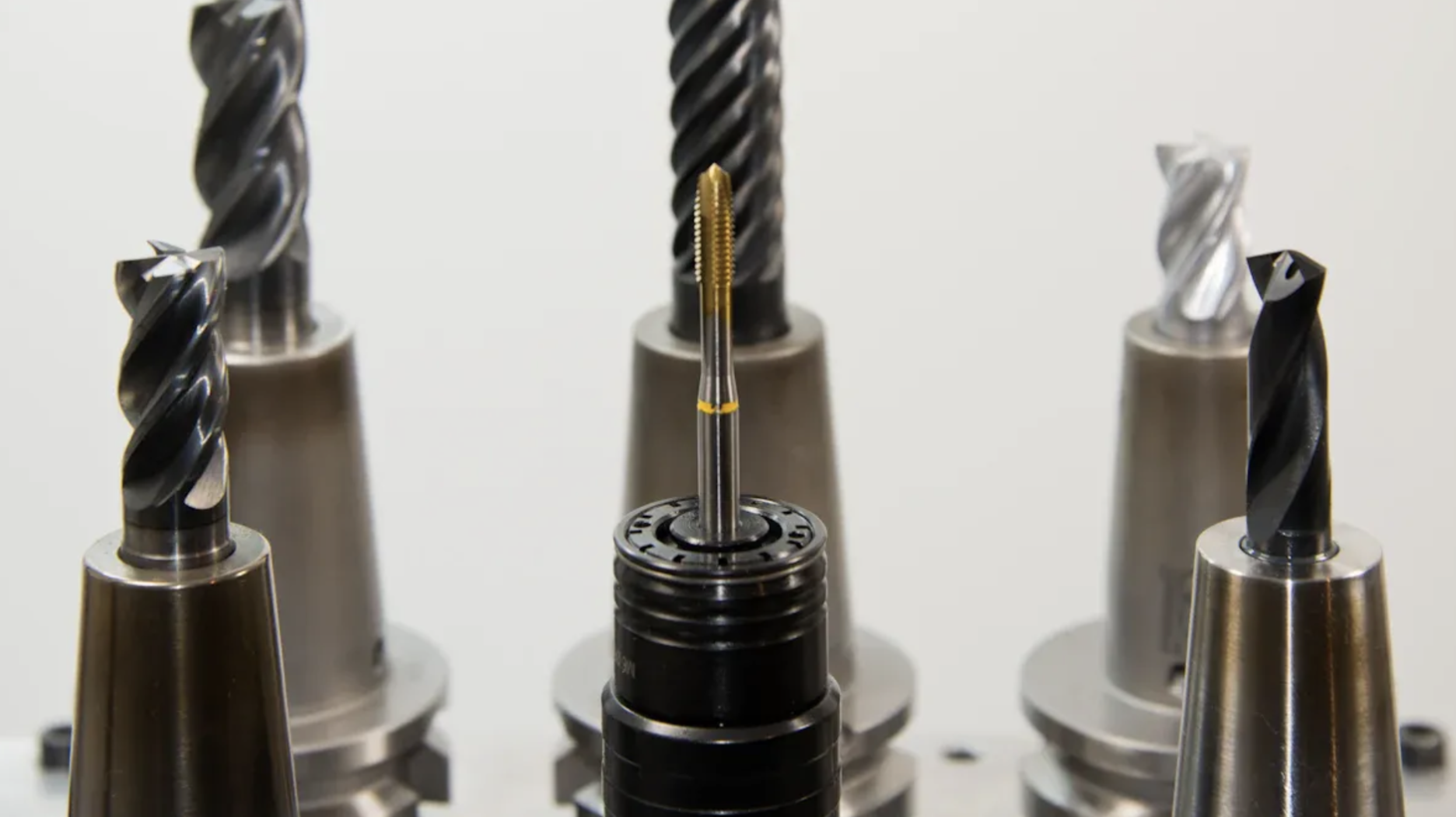
Understanding the Basics of Carbide End Mills
What Exactly Are Carbide End Mills?
Carbide End Mills are high-performance cutting tools used in milling applications to carve, contour, slot, drill, and shape materials. They’re made from tungsten carbide, a compound that is harder than steel and withstands extreme temperatures. Thanks to their strength and durability, they outperform traditional high-speed steel (HSS) tools in both speed and lifespan.
What Are Carbide End Mills Made Of?
These tools are engineered from a combination of tungsten carbide powder and cobalt binder. Tungsten carbide delivers hardness, while cobalt adds toughness. This perfect marriage of materials gives the mill incredible cutting ability and resistance to wear—even under intense heat and high-speed operations.
Why Carbide End Mills Are So Popular in Modern Machining
Exceptional Hardness
Carbide is nearly twice as stiff as steel. That means Carbide End Mills hold their shape, resist bending, and maintain sharp edges far longer.
Heat Resistance
Machining generates heat, especially at high speeds. Carbide maintains its hardness even at 1,000°C, which means it can cut faster without softening.
Long Tool Life
Because of their hardness and wear resistance, carbide tools last significantly longer than HSS or cobalt mills. This helps manufacturers reduce downtime and tooling replacement costs.
Precision and Accuracy
Carbide End Mills can cut with incredibly tight tolerances, making them ideal for aerospace, automotive, medical device manufacturing, and mold making.
How Carbide End Mills Work
The Cutting Mechanism
The flutes along a carbide mill act like tiny, sharp blades. As the tool rotates at high speed, these flutes cut away chips of material. Thanks to carbide’s hardness, these flutes stay sharp longer and can withstand higher feed rates.
Chip Evacuation
Efficient chip removal is crucial for preventing tool breakage. Carbide End Mills often include advanced flute designs to enhance chip flow, reduce heat, and maintain smoother cutting.
High-Speed Machining Compatibility
Carbide’s stiffness allows for high spindle speeds and aggressive cutting conditions, massively boosting productivity.
Types of Carbide End Mills
These have a flat cutting surface, commonly used for slotting, profiling, and general milling tasks.
Featuring a rounded tip, these mills are perfect for 3D contouring, sculpting, and mold-building.
These have slightly rounded corners that strengthen the cutting edge, making them ideal for heavy-duty machining.
Designed with serrated cutting edges, roughers remove large amounts of material quickly.
Finishing End Mills
Used for final passes, finishing end mills provide smooth, polished surfaces.
Single Flute End Mills
Great for cutting soft materials like aluminum and plastics, offering excellent chip evacuation.
Multi-Flute End Mills
Ideal for harder materials and finishing applications where a smoother surface is required.
Carbide End Mills vs. HSS End Mills
Performance Comparison
Carbide End Mills cut faster, last longer, and deliver better surface finishes compared to HSS tools.
Cost Difference
While carbide is more expensive initially, it offers a significantly lower cost per part due to its long lifespan.
When Should You Choose Carbide Over HSS?
Choose carbide when:
Choose HSS when:
Applications of Carbide End Mills
Aerospace Industry
Used for machining titanium, nickel alloys, and composite materials with precision.
Automotive Manufacturing
Common in engine component fabrication, molds, and transmission parts.
Medical Device Production
Perfect for stainless steel implants and surgical tools requiring extreme precision.
Metal Mold & Die Industry
Carbide’s wear resistance is ideal for shaping hardened steels.
Woodworking and Plastics
Special carbide mills are optimized for softer materials too.
Key Features to Look for When Choosing Carbide End Mills
Number of Flutes
Coatings
Coatings reduce wear, increase heat resistance, and improve tool life. Popular coatings include:
Helix Angle
High helix angles (35–45°) provide smoother cutting but are weaker.
Low helix angles are stronger but produce rougher cuts.
Shank Type
Choose between:
Straight shank
Taper shank
Weldon shank
Cutting Diameter & Length
Your application determines the ideal dimensions.
Advantages of Using Carbide End Mills
They Cut Faster
Carbide’s heat resistance lets you run higher RPMs and feed rates.
They Provide a Better Finish
Sharper, stronger edges equal smoother surfaces.
Less Tool Deflection
Carbide is stiffer than HSS, reducing chatter and improving accuracy.
Longer Lifespan Means Lower Costs
Less downtime = higher productivity.
Limitations of Carbide End Mills
Not as Tough as HSS
Carbide is extremely hard but less impact-resistant. High vibration can cause chipping.
Higher Initial Cost
Upfront investment is higher, but long-term value is greater.
How to Extend the Life of Carbide End Mills
Use Proper Speeds and Feeds
Avoid running too slow or too fast; follow manufacturer recommendations.
Optimize Coolant Usage
Coolant reduces heat and helps with chip removal.
Choose the Right Toolholder
High-precision holders prevent wobbling and tool runout.
Avoid Excessive Overhang
Minimizing tool extension reduces vibration.
Common Mistakes to Avoid When Using Carbide End Mills
Using Incorrect Tool Geometry
Wrong flute count or coating leads to poor results.
Ignoring Chip Load
Insufficient chip load causes rubbing and premature wear.
Excessive Tool Stick-Out
Creates vibration and potential breakage.
Future Trends in Carbide End Mills
Better Coatings
Nanotechnology is producing ultra-hard coatings for extreme conditions.
Advanced Micro-Grain Carbide
Improved hardness and toughness balance for longer life.
Smart Tooling
IoT-enabled cutters can send real-time performance data.
Conclusion — Why Carbide End Mills Matter
So, What Are Carbide End Mills?
They are precision cutting tools made from tungsten carbide that offer unmatched durability, accuracy, and performance. Whether you're a machinist, manufacturer, or CNC hobbyist, choosing the right carbide tool can drastically boost your productivity and the quality of your finished parts.
From aerospace to woodworking, Carbide End Mills have become the backbone of modern machining thanks to their speed, strength, and reliability. If precision matters—and it always does—carbide is undoubtedly the way to go.
 English
 العربية
 Français
 Русский
 Español
 Português
 Deutsch
 italiano
 日本語
日本語 한국어
한국어 Nederlands
 Tiếng Việt
 ไทย
ไทย Polski
 Türkçe
 ພາສາລາວ
 ភាសាខ្មែរ
 Bahasa Melayu
 ဗမာစာ
ဗမာစာ Filipino
 Bahasa Indonesia
 magyar
 Română
 Čeština
 Монгол
 қазақ
қазақ Српски
 हिन्दी
 فارسی
فارسی Slovenčina
 Slovenščina
 Norsk
Norsk Svenska
 українська
 Ελληνικά
 Suomi
Suomi Հայերեն
 עברית
עברית Latine
 Dansk
Dansk বাংলা
বাংলা Hrvatski
 Gaeilge
 Oʻzbekcha
 latviešu
 Беларуская мова
 Български
 Lietuvių
 Gaelo Albannach
 ئۇيغۇرچە
 Cymraeg


