In modern CNC machining, tool selection is never a minor decision. Choosing the wrong cutter profile can lead to poor surface finish, inefficient material removal, increased tool wear, or even part failure. Among the most commonly used tools, Flat End Mills, Round Nose Mills, and Ball End Mills each serve distinct machining purposes.
Yet many machinists and buyers still ask the same question: What is the real difference between Flat End Mills, Round Nose Mills, and Ball End Mills—and when should each be used?
This guide provides a clear, practical comparison of these three end mill types, helping you select the right tool based on geometry, cutting performance, application, and surface finish requirements.
Key Takeaways
Flat End Mills excel at roughing and sharp-edge machining
Round Nose Mills balance strength and smooth transitions
Ball End Mills are ideal for 3D contouring and complex surfaces
Tool geometry directly impacts surface finish, cutting forces, and tool life
Choosing the correct end mill improves accuracy, efficiency, and cost control
Understanding the Basics of End Mill Geometry
Before comparing performance, it’s important to understand how geometry defines function.
End Mill Type
Tip Shape
Primary Function
Flat End Mills
Flat cutting edge
Slotting, facing, roughing
Round Nose Mills
Small corner radius
Semi-finishing, durability
Ball End Mills
Hemispherical tip
3D contouring, finishing
Each design distributes cutting forces differently, which directly affects machining behavior.
Flat End Mills: Strength, Speed, and Precision
What Are Flat End Mills?
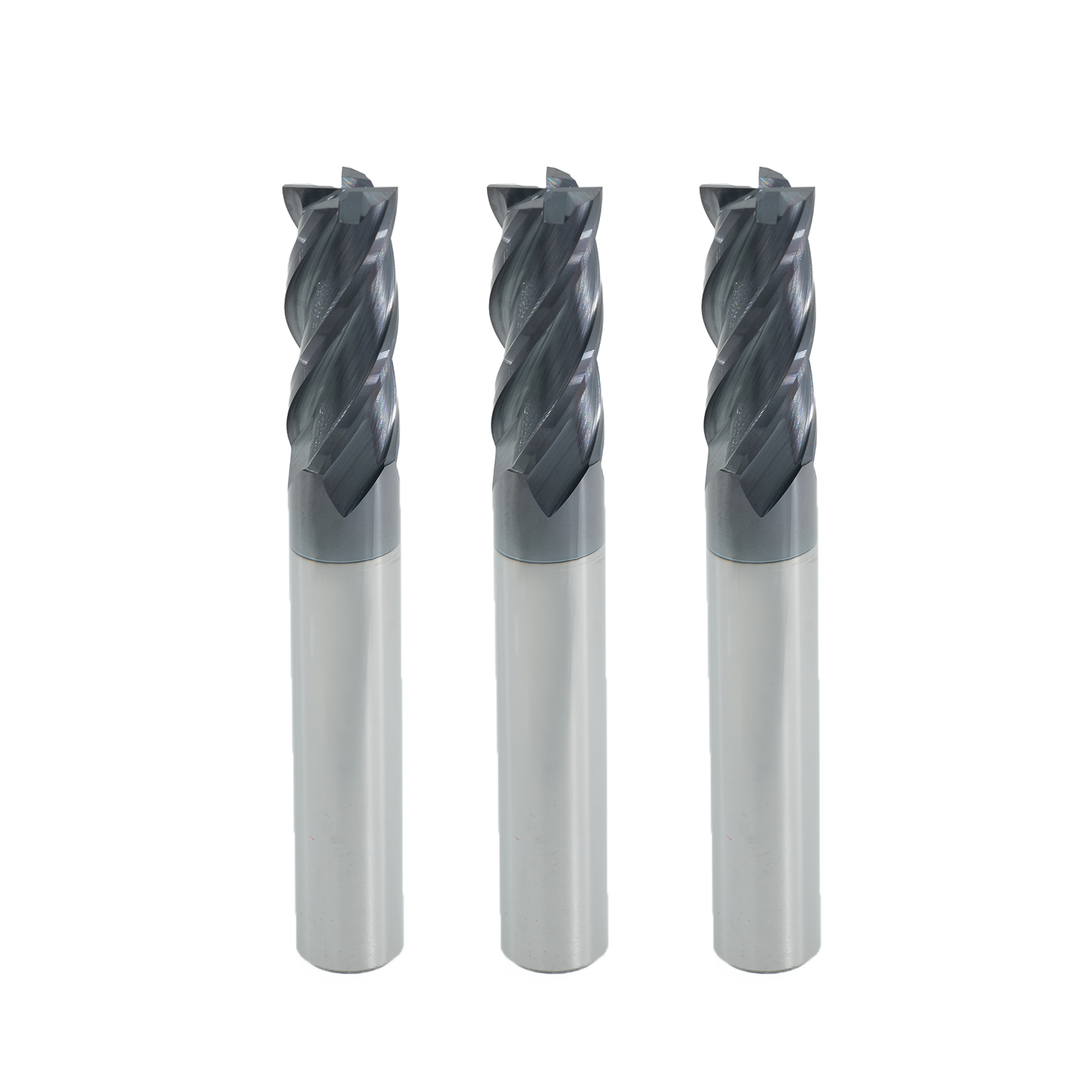
Flat End Mills feature a flat cutting surface at the tool tip, allowing them to produce sharp corners and flat-bottomed features. They are widely used across general machining operations.
Key Advantages of Flat End Mills
High material removal rates
Sharp internal corners
Excellent axial cutting capability
Strong performance in roughing operations
Typical Applications
Slotting and pocketing
Facing operations
Rough machining of steel, aluminum, and alloys
Performance Factor
Flat End Mills
Material removal
Excellent
Edge sharpness
Very high
Surface finish
Moderate
Tool strength
High
Flat End Mills are often the first choice for productivity-focused machining, especially when flat-bottom geometry is required.
Round Nose Mills: A Balance Between Strength and Finish
What Are Round Nose Mills?
Round Nose Mills combine a flat cutting bottom with a small corner radius. This radius strengthens the cutting edge and reduces stress concentration.
Why Choose Round Nose Mills?
Reduced edge chipping
Longer tool life
Smoother transitions between surfaces
Better load distribution
Typical Applications
Semi-finishing operations
Mold and die machining
Applications requiring improved tool durability
Performance Factor
Round Nose Mills
Edge durability
Excellent
Surface smoothness
Good
Cutting stability
High
Versatility
Very good
Round Nose Mills are often selected when tool longevity and surface quality must be balanced.
Ball End Mills: Precision for Complex Geometry
What Are Ball End Mills?
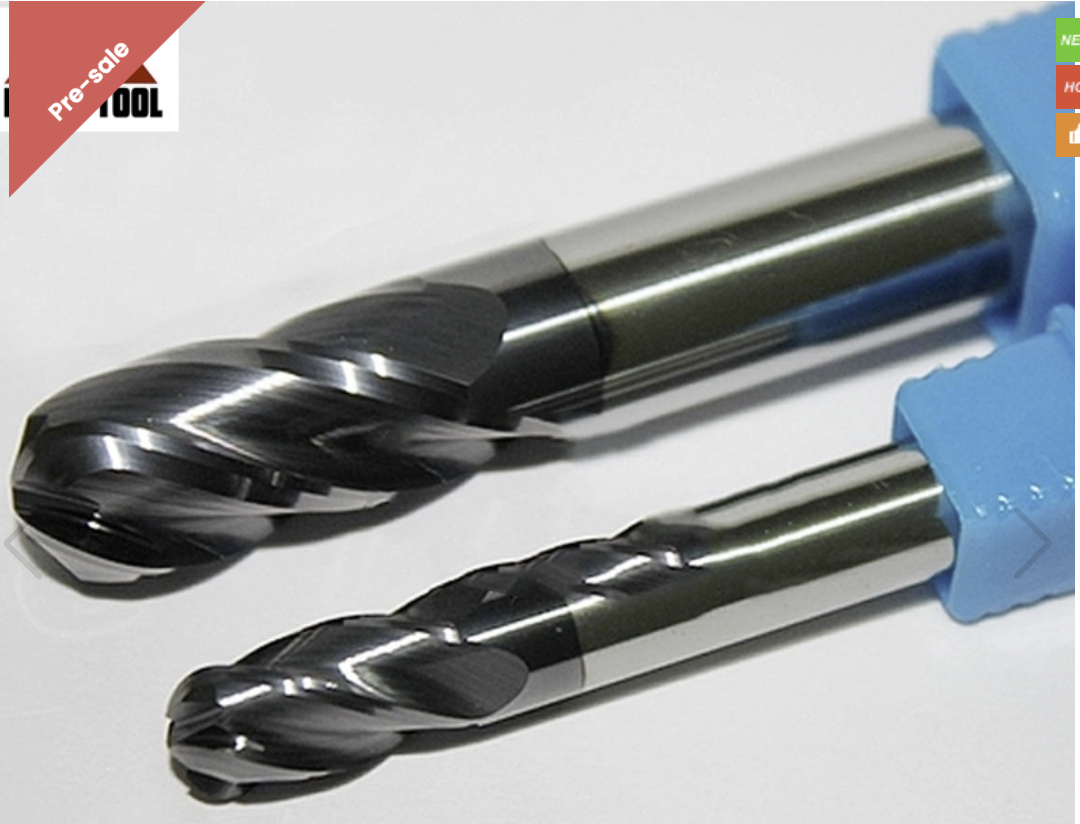
Ball End Mills feature a fully rounded tip, making them ideal for machining curved surfaces and complex 3D shapes.
Key Benefits of Ball End Mills
Smooth 3D surface finishing
Ideal for contouring and sculpted features
Reduced tool marks on curved surfaces
Typical Applications
Mold cavities
Aerospace components
Medical and complex precision parts
Performance Factor
Ball End Mills
3D contouring
Outstanding
Surface finish
Excellent
Flat-bottom cutting
Limited
Cutting depth control
High
Ball End Mills are essential for finishing operations where geometry complexity is high.
Flat End Mills vs Round Nose Mills vs Ball End Mills: Side-by-Side Comparison
Feature
Flat End Mills
Round Nose Mills
Ball End Mills
Cutting Tip
Flat
Flat + radius
Fully rounded
Best For
Roughing, slotting
Semi-finishing
3D finishing
Surface Finish
Moderate
Good
Excellent
Tool Life
Good
Very good
Moderate
Sharp Corners
Yes
Limited
No
How to Choose the Right End Mill for Your Application
Choose Flat End Mills if:
You need sharp edges or flat bottoms
Material removal rate is a priority
Rough machining is required
Choose Round Nose Mills if:
Tool life is critical
You want reduced chipping
Semi-finishing operations are involved
Choose Ball End Mills if:
You are machining 3D contours
Surface finish is the top priority
Complex geometries are involved
Selecting the correct geometry minimizes rework, reduces tool wear, and improves machining efficiency.
Material Compatibility Considerations
All three end mill types can be used across a wide range of materials when properly selected.
Material
Recommended Tool Type
Aluminum
Flat / Ball End Mills
Hardened Steel
Round Nose / Ball End Mills
Stainless Steel
Round Nose Mills
Tool Steel
Ball End Mills
Why Hiboo Tools End Mills Deliver Consistent Performance
Hiboo Toolsspecializes in high-quality carbide end mills designed for stability, precision, and durability. By focusing on optimized geometry, consistent manufacturing, and application-driven design, Hiboo Tools provides:
Reliable cutting performance
Long tool life
Consistent surface finish
Broad application coverage
Hiboo Tools’ Flat End Mills, Round Nose Mills, and Ball End Mills are engineered to meet the demands of modern CNC machining across multiple industries.
FAQ: Flat End Mills, Round Nose Mills, and Ball End Mills
What is the main difference between Flat End Mills and Ball End Mills?
Flat End Mills create flat surfaces and sharp edges, while Ball End Mills are designed for curved and 3D surfaces.
When should I use Round Nose Mills instead of Flat End Mills?
Use Round Nose Mills when you need better tool life and reduced edge chipping during semi-finishing.
Can Ball End Mills be used for roughing?
They can, but Ball End Mills are better suited for finishing and contouring rather than heavy material removal.
Which end mill provides the best surface finish?
Ball End Mills generally deliver the smoothest surface on complex geometries.
Are carbide end mills suitable for all three types?
Yes. Carbide Flat End Mills, Round Nose Mills, and Ball End Mills are widely used for their strength and wear resistance.
 English
 العربية
 Français
 Русский
 Español
 Português
 Deutsch
 italiano
 日本語
日本語 한국어
한국어 Nederlands
 Tiếng Việt
 ไทย
ไทย Polski
 Türkçe
 ພາສາລາວ
 ភាសាខ្មែរ
 Bahasa Melayu
 ဗမာစာ
ဗမာစာ Filipino
 Bahasa Indonesia
 magyar
 Română
 Čeština
 Монгол
 қазақ
қазақ Српски
 हिन्दी
 فارسی
فارسی Slovenčina
 Slovenščina
 Norsk
Norsk Svenska
 українська
 Ελληνικά
 Suomi
Suomi Հայերեն
 עברית
עברית Latine
 Dansk
Dansk বাংলা
বাংলা Hrvatski
 Gaeilge
 Oʻzbekcha
 latviešu
 Беларуская мова
 Български
 Lietuvių
 Gaelo Albannach
 ئۇيغۇرچە
 Cymraeg