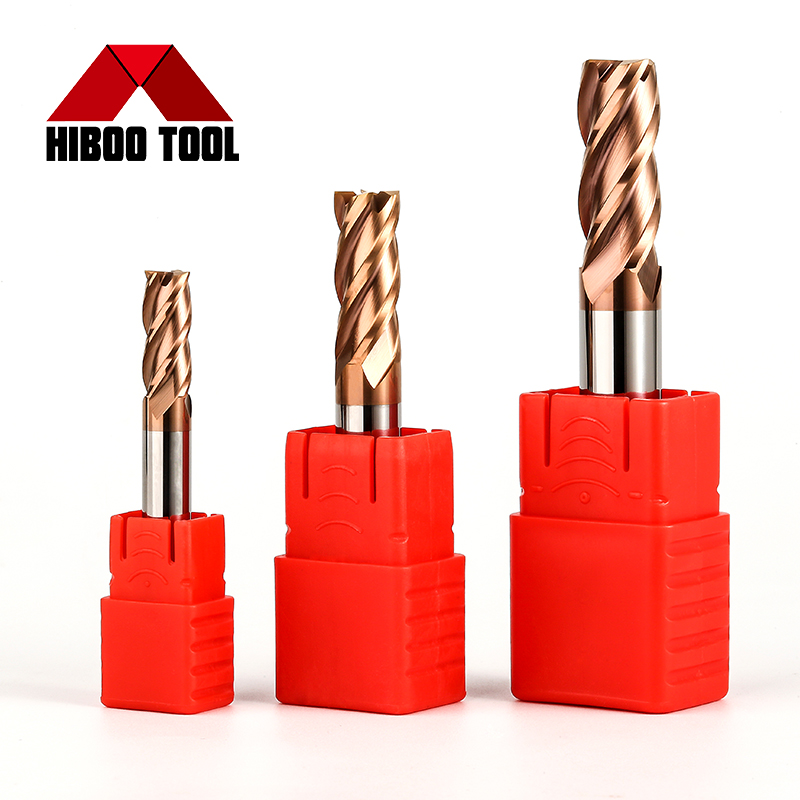
In the world of precision machining, few cutting tools are as fundamental—and as versatile—as the Square End Mill. Whether you are machining aluminum, steel, stainless steel, or hardened alloys, this tool plays a critical role in shaping, slotting, and finishing workpieces with accuracy and efficiency. From CNC machining centers to manual milling machines, square end mills are everywhere, quietly driving productivity across industries.
This in-depth guide covers everything you need to know about square end mills, with a strong focus on carbide square end mills—the industry standard for modern, high-performance machining. If you are a machinist, manufacturing engineer, procurement manager, or CNC workshop owner, this article will help you make informed decisions, improve tool life, and achieve better surface finishes.
What Is a Square End Mill?
A Square End Mill is a rotary cutting tool used in milling operations, characterized by a flat bottom and sharp 90-degree cutting edges. Unlike ball nose or corner radius end mills, square end mills create precise flat surfaces and sharp internal corners, making them ideal for slotting, pocketing, profiling, and contouring applications.
Square end mills are designed to cut laterally and axially, allowing them to remove material efficiently while maintaining dimensional accuracy. Their geometry makes them one of the most commonly used end mills in both roughing and finishing operations.
Why Square End Mills Are So Widely Used
Versatility Across Applications
One of the main reasons square end mills dominate machining environments is their versatility. They can handle a wide range of tasks, including:
Slot cutting
Face milling
Pocketing
Side milling
Profiling
Shoulder machining
A single Square End Mill can often replace multiple specialized tools, reducing tool changes and increasing productivity.
Precision and Sharp Corners
When sharp internal corners and flat-bottom features are required, square end mills are the go-to solution. They produce clean edges and precise geometry that other end mill types cannot achieve.
Types of Square End Mills
High-Speed Steel (HSS) Square End Mills
HSS square end mills are cost-effective and suitable for low-speed machining and softer materials. However, they wear faster and struggle with high-temperature environments.
Carbide Square End Mills
Carbide square end mills are manufactured from tungsten carbide, offering superior hardness, heat resistance, and wear resistance. They are ideal for high-speed CNC machining and are widely used in modern manufacturing.
Coatings such as TiAlN, AlTiN, TiCN, and DLC enhance tool life, reduce friction, and improve performance in demanding applications.
Why Carbide Square End Mills Are the Industry Standard
Exceptional Hardness and Strength
Carbide is significantly harder than HSS, allowing carbide square end mills to cut hardened steels and exotic alloys with ease.
High-Speed Machining Capability
Carbide tools maintain edge integrity at high temperatures, making them ideal for high-speed and high-feed machining strategies.
Longer Tool Life
Although carbide tools cost more initially, their extended lifespan often results in lower overall tooling costs.
Improved Surface Finish
The rigidity of carbide reduces vibration, resulting in smoother finishes and tighter tolerances.
Key Components of a Square End Mill
Cutting Diameter
The diameter determines the width of cut and directly affects material removal rates and tool strength.
Flutes
Flutes are the grooves that evacuate chips. Common flute counts include:
2 flutes (non-ferrous materials)
3 flutes (balanced performance)
4 flutes (steel and harder materials)
Shank
The shank is clamped into the tool holder. Proper shank size ensures rigidity and minimizes runout.
Helix Angle
The helix angle influences chip evacuation and cutting forces. Higher helix angles provide smoother cutting action.
Understanding Flute Count in Square End Mills
2-Flute Square End Mills
Best for aluminum and soft materials due to excellent chip evacuation.
3-Flute Square End Mills
Offer a balance between chip removal and strength, making them versatile for various materials.
4-Flute and Higher
Ideal for steel and hard materials, offering greater rigidity and improved surface finish.
Selecting the right flute count is essential for maximizing the performance of carbide square end mills.
Materials Suitable for Square End Mills
Aluminum and Non-Ferrous Metals
Square end mills with polished flutes and fewer flutes perform best for aluminum.
Carbon Steel and Alloy Steel
Multi-flute carbide square end mills with wear-resistant coatings excel in steel machining.
Requires sharp edges, high helix angles, and heat-resistant coatings.
Titanium and Superalloys
Demand premium carbide square end mills with advanced coatings to manage heat and tool wear.
Coatings for Carbide Square End Mills
TiN (Titanium Nitride)
Improves wear resistance and reduces friction.
TiAlN / AlTiN
Excellent for high-temperature applications and dry machining.
DLC (Diamond-Like Carbon)
Ideal for aluminum and non-ferrous materials due to low friction.
Choosing the right coating can dramatically extend tool life and improve machining efficiency.
Square End Mill vs Ball Nose End Mill
While both are essential milling tools, their applications differ:
Square End Mill: Flat surfaces, sharp corners, slots
Ball Nose End Mill: 3D contours, curved surfaces
Understanding the distinction ensures the correct tool selection for each operation.
Common Applications of Square End Mills
Slotting Operations
Square end mills excel at producing precise slots with straight walls and flat bottoms.
Pocket Milling
They are widely used to remove material efficiently while maintaining pocket geometry.
Shoulder Milling
Perfect for creating accurate 90-degree shoulders.
Contour and Profile Milling
Deliver clean edges and dimensional accuracy in profiling tasks.
How to Choose the Right Square End Mill
Material Type
Match the end mill material and coating to the workpiece material.
Machine Capability
High-speed CNC machines benefit most from carbide square end mills.
Cutting Parameters
Consider feed rate, spindle speed, and depth of cut.
Tool Rigidity
Shorter tools reduce deflection and improve accuracy.
Optimizing Cutting Parameters
Spindle Speed
Carbide tools allow higher RPMs, increasing productivity.
Feed Rate
Proper feed rates prevent tool wear and edge chipping.
Depth and Width of Cut
Balanced cutting parameters extend tool life and ensure stable machining.
Correct optimization unlocks the full potential of Square End Mill tools.
Common Mistakes to Avoid
Avoiding these mistakes leads to better performance and reduced downtime.
Tool Holding and Runout Control
Accurate tool holding is essential. Collets, hydraulic holders, and shrink-fit holders minimize runout and improve cutting stability, especially when using carbide square end mills.
Maintenance and Storage Best Practices
Cleaning After Use
Remove chips and coolant residue to prevent corrosion.
Proper Storage
Store tools in protective cases to prevent edge damage.
Regular Inspection
Inspect cutting edges for wear, chipping, or coating loss.
Good maintenance maximizes the return on your tooling investment.
Trends in Square End Mill Technology
Advanced Carbide Grades
New carbide formulations offer improved toughness and wear resistance.
High-Performance Coatings
Next-generation coatings enable higher cutting speeds and longer tool life.
Application-Specific Designs
End mills optimized for aluminum, steel, or hard materials continue to evolve.
Innovation continues to push the boundaries of carbide square end mills.
Industries That Rely on Square End Mills
Across these industries, square end mills remain indispensable.
Cost vs Performance: Making the Right Investment
While carbide tools cost more upfront, their performance, consistency, and longevity often result in lower overall machining costs. Investing in high-quality Square End Mill tools improves efficiency, reduces scrap, and enhances surface quality.
Final Thoughts: Why Square End Mills Matter
The Square End Mill is a cornerstone of modern machining. Its ability to produce flat surfaces, sharp edges, and precise geometry makes it one of the most valuable cutting tools in any workshop. When paired with advanced materials and coatings, carbide square end mills deliver exceptional performance, reliability, and cost efficiency.
By understanding tool geometry, material compatibility, coatings, and cutting parameters, you can unlock the full potential of square end mills and elevate your machining operations. Whether you are optimizing a CNC production line or selecting tools for a new project, mastering the square end mill is a step toward machining excellence.
 English
 العربية
 Français
 Русский
 Español
 Português
 Deutsch
 italiano
 日本語
日本語 한국어
한국어 Nederlands
 Tiếng Việt
 ไทย
ไทย Polski
 Türkçe
 ພາສາລາວ
 ភាសាខ្មែរ
 Bahasa Melayu
 ဗမာစာ
ဗမာစာ Filipino
 Bahasa Indonesia
 magyar
 Română
 Čeština
 Монгол
 қазақ
қазақ Српски
 हिन्दी
 فارسی
فارسی Slovenčina
 Slovenščina
 Norsk
Norsk Svenska
 українська
 Ελληνικά
 Suomi
Suomi Հայերեն
 עברית
עברית Latine
 Dansk
Dansk বাংলা
বাংলা Hrvatski
 Gaeilge
 Oʻzbekcha
 latviešu
 Беларуская мова
 Български
 Lietuvių
 Gaelo Albannach
 ئۇيغۇرچە
 Cymraeg


