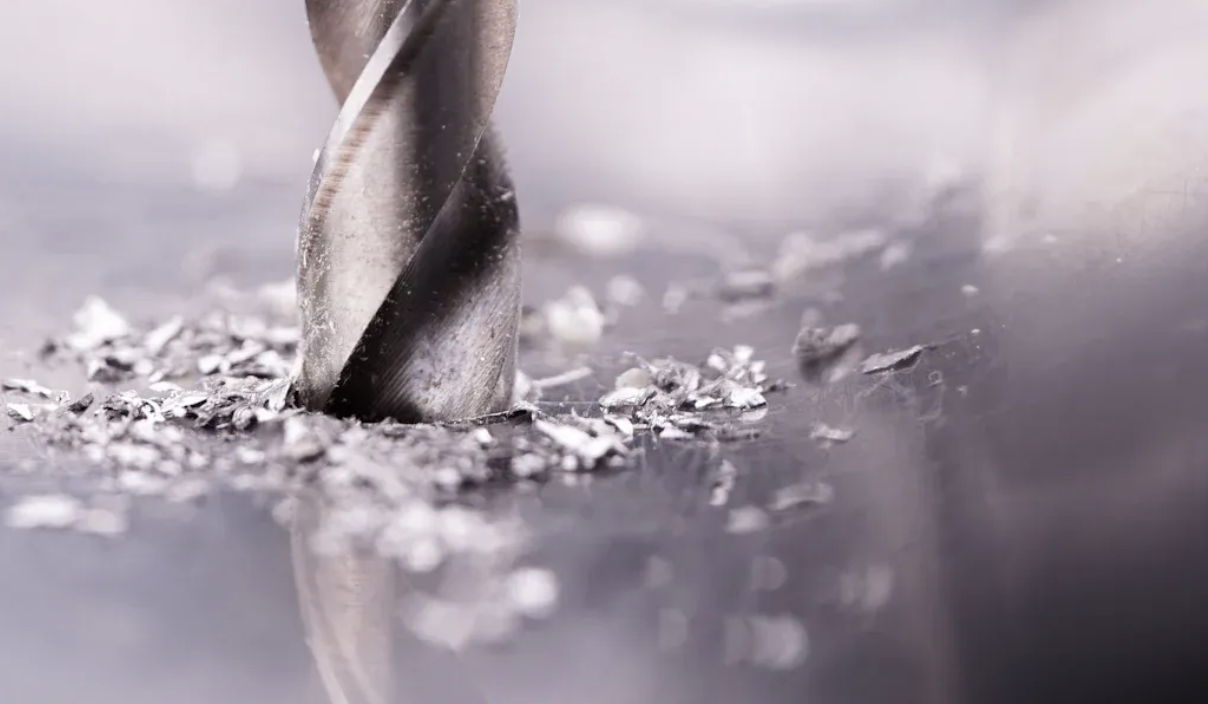
When it comes to machining aluminum, choosing the right end mill for aluminum is crucial. If you’ve ever worked with this material, you know that aluminum can be a tricky material to machine. It’s light, it’s soft, but it also has its quirks—like being prone to gummy chips or tearing if not handled correctly. So, how do you make sure you’re getting the best results?
In this article, we’ll dive deep into the world of aluminum end mills. We’ll cover the various types of end mills available, the factors that affect their performance, and how to choose the perfect one for your project. Whether you're a seasoned machinist or just getting into CNC machining, by the end of this guide, you’ll know exactly what type of end mill is best for aluminum.
Let’s get started!
Key Takeaways:
For roughing operations, use two-flute or single-flute end mills for efficient chip removal.
For finishing and precise cuts, go for four-flute or ball nose end mills.
High-speed machining works best with single-flute or high-helix end mills.
Make sure to maintain your end mills and use the appropriate coolant for optimal performance.
Understanding Aluminum and Its Machining Challenges
Before we jump into the specifics of end mills, it’s essential to understand what makes aluminum a unique material to machine. Unlike steel, which is dense and hard, aluminum is relatively soft, lightweight, and more flexible. While this makes it easier to machine, it can also create challenges:
Chip Control: Aluminum can form long, stringy chips that can clog the cutting area.
Gumming: The soft, ductile nature of aluminum can cause the material to "gum up" on the tool, leading to poor finishes.
Heat: Although aluminum is a good conductor of heat, the machining process can still generate enough friction to cause overheating, which can lead to tool wear or damage.
Choosing the right aluminum end mill helps address these issues and ensures a smoother, more efficient machining process.
What is an End Mill?
An end mill is a cutting tool used in CNC milling machines to remove material from a workpiece. Unlike a drill, which can only move vertically, an end mill has cutting edges on both the sides and the tip, allowing for more versatile movement. End mills are used for a wide range of operations, including slotting, profiling, and contouring.
Types of End Mills
While there are many different types of end mills available, not all are suitable for machining aluminum. Some are better at dealing with specific challenges like chip evacuation, heat buildup, and material adhesion. Let’s take a closer look at the different types of end mills for aluminum.
Best Types of End Mills for Aluminum
1. High-Helix End Mills
A high-helix end mill is designed with a greater angle on the flutes (usually between 40° and 45°), which helps evacuate chips more effectively. The high helix angle ensures that the chips are thrown away from the cutting zone, reducing the risk of chip clogging and gumming.
Why It Works for Aluminum: The high helix angle allows for aggressive cutting and better chip removal, which is crucial when machining aluminum, as aluminum chips tend to form long strands that can get stuck in the cutting area.
Best for: Finishing and high-speed cutting operations where chip removal is a priority.
2.Two-Flute End Mills
A two-flute end mill has two cutting edges, making it a popular choice for aluminum machining. The fewer flutes allow for wider space between the edges, which helps with chip clearance and cooling.
Why It Works for Aluminum: Aluminum tends to create large, gummy chips, and the extra space between the two flutes helps to clear those chips more efficiently, reducing the chances of clogging.
Best for: Roughing operations and light cutting where high chip removal is needed.
Four-flute end mills are designed with four cutting edges, which gives them more strength and stability compared to two-flute end mills. However, their chip clearance isn’t as effective as two-flute mills, which makes them better suited for certain types of aluminum alloys.
Why It Works for Aluminum: Four-flute end mills provide a smooth finish and better surface quality, especially when using higher feed rates. They are often used in operations that require higher precision.
Best for: Finishing operations and when you need a high-quality surface finish.
A ball nose end mill features a rounded tip instead of a flat edge, making it ideal for 3D profiling and contouring operations. The round shape of the ball nose allows it to cut in a way that creates smooth, flowing surfaces.
Why It Works for Aluminum: The smooth contours of ball nose end mills reduce the chances of leaving behind visible tool marks or scratches, providing a high-quality finish on curved surfaces.
Best for: 3D milling, finishing, and contouring operations on aluminum.
The single-flute end mill is a popular choice for high-speed cutting in aluminum. As the name suggests, it has only one cutting edge. This allows for a larger space for chip evacuation, which is critical when dealing with materials like aluminum.
Why It Works for Aluminum: With a single flute, there’s more room for chips to clear quickly, preventing the buildup of heat and material from causing poor cuts. It also helps reduce cutting forces, which means you can run at higher speeds.
Best for: High-speed machining and light-duty applications where chip removal is critical.
Coated end mills feature a thin layer of coating, such as TiN (Titanium Nitride) or TiAlN (Titanium Aluminum Nitride), that reduces wear and helps prevent the buildup of aluminum chips on the cutting edges.
Why It Works for Aluminum: The coating helps with heat dissipation and reduces friction, which can extend tool life and improve cutting performance. These coatings are also resistant to the adhesion of aluminum, preventing material from sticking to the tool.
Best for: Extended tool life and heavy-duty cutting.
Factors to Consider When Choosing an End Mill for Aluminum
Now that we’ve looked at the different types of end mills for aluminum, let’s break down the factors that influence which one is right for your project.
1. Material Type of Aluminum
Aluminum comes in many different grades, each with its own machining requirements. Softer grades of aluminum, such as 6061, are easier to machine, while harder grades like 7075 may require specialized tools. If you're working with a harder grade of aluminum, you may need a more robust end mill with coatings or additional features to handle the increased difficulty.
2. Cutting Speed
Aluminum tends to perform best at higher cutting speeds compared to steel, which means you'll want an end mill that can handle these speeds effectively. High-helix, single-flute, and two-flute end mills are typically good choices for high-speed operations.
3. Chip Removal
The ability to clear chips is one of the most important factors when choosing an end mill for aluminum. Aluminum chips tend to stick to the tool or form long strings, which can affect the cut. Choosing an end mill with good chip clearance, like a high-helix or single-flute design, will help prevent this issue.
4. Surface Finish
If your project requires a high-quality surface finish, a four-flute ball nose end mill or a coated end mill may be your best bet. These types of end mills will give you a smoother surface, which is crucial for precision parts, aerospace components, or aesthetic designs.
When to Use Each Type of End Mill for Aluminum
For Roughing Operations
For Finishing Operations
Best Choice: Four-flute or ball nose end mills.
Why: These provide the smoothest finishes and are ideal for detailed work, 3D contours, or intricate designs.
For High-Speed Machining
Best Choice: Single-flute or high-helix end mills.
Why: These are optimized for high cutting speeds and efficient chip removal, making them ideal for fast-paced machining operations.
Maintaining Your End Mills
Proper maintenance of your aluminum end mills is essential for ensuring longevity and peak performance. Here are a few tips:
Keep your tools clean: Regularly remove any built-up aluminum from the tool to prevent clogging and wear.
Inspect for wear: Check the cutting edges regularly for signs of dullness or chipping.
Use the right coolant: Make sure you're using an appropriate coolant or lubricant, especially when cutting harder grades of aluminum.
Conclusion: The Best End Mill for Aluminum
Choosing the right end mill for aluminum depends on your specific machining needs. Here’s a quick summary:
For roughing: Go for a two-flute or single-flute end mill for high chip removal and aggressive cutting.
For finishing: Opt for a four-flute or ball nose end mill to achieve a smooth, precise finish.
For high-speed machining: A single-flute or high-helix end mill will be best suited for fast operations with efficient chip clearance.
Each type of end mill has its role depending on the complexity of your project and the aluminum grade you’re working with. Understanding these tools and how they interact with aluminum can make a huge difference in the quality and efficiency of your machining process.
FAQs
1. Can I use a regular steel end mill for aluminum?
Technically, yes, you can use a steel end mill on aluminum. However, it’s not the best choice. Aluminum-specific end mills, like two-flute or single-flute designs, offer better chip clearance, which reduces the risk of gumming up and ensures smoother cuts. For aluminum machining, it’s always best to use tools designed specifically for the material.
2. What is the ideal cutting speed for aluminum?
The ideal cutting speed varies based on the type of aluminum and the end mill you’re using. For soft alloys like 6061, cutting speeds can range from 300-500 SFM (Surface Feet per Minute). For harder grades like 7075, you’ll want to lower the cutting speed to prevent tool wear. Always check manufacturer recommendations for specific materials and tools.
3. How do I prevent aluminum from gumming up on my end mill?
To prevent gumming, choose end mills designed for aluminum, such as high-helix or single-flute mills. Also, ensure your cutting speeds are high enough to remove material efficiently. Using the right coolant or lubricant can also help to keep the tool and material cool, preventing the aluminum from adhering to the cutting edges.
4. Should I use coolant when machining aluminum?
Yes, using coolant or lubrication can greatly improve the performance of your end mill, especially when machining harder grades of aluminum. It helps to dissipate heat, reduce friction, and improve chip removal. However, for high-speed operations with single-flute end mills, you can sometimes machine dry with proper tool selection and cutting parameters.
5. Can I use the same end mill for different aluminum alloys?
While many aluminum end mills are versatile, the type of aluminum you’re machining will affect your tool choice. For softer alloys like 6061, a simple two-flute or single-flute end mill should suffice. For harder alloys, like 7075, consider coated end mills or those with more robust cutting geometries to withstand the tougher material.
Final Thoughts: Getting the Right End Mill for Aluminum
Choosing the right end mill for aluminum boils down to understanding the specific requirements of your project. Whether you're dealing with high-speed cuts, roughing out material, or finishing delicate surfaces, the right tool will ensure both efficiency and precision.
By considering factors like the type of aluminum, the cutting speed, and the finish required, you can confidently select the aluminum end mill that will deliver the best results. Keep in mind that regular tool maintenance and the proper use of coolants and lubricants will also play a crucial role in extending the life of your tools and ensuring the best machining results.
If you're ready to take your aluminum machining to the next level, selecting the correct end mill is your first step. Equip yourself with the right tool, and you’ll see a noticeable improvement in both the quality of your parts and the speed of your work.
 English
 العربية
 Français
 Русский
 Español
 Português
 Deutsch
 italiano
 日本語
日本語 한국어
한국어 Nederlands
 Tiếng Việt
 ไทย
ไทย Polski
 Türkçe
 ພາສາລາວ
 ភាសាខ្មែរ
 Bahasa Melayu
 ဗမာစာ
ဗမာစာ Filipino
 Bahasa Indonesia
 magyar
 Română
 Čeština
 Монгол
 қазақ
қазақ Српски
 हिन्दी
 فارسی
فارسی Slovenčina
 Slovenščina
 Norsk
Norsk Svenska
 українська
 Ελληνικά
 Suomi
Suomi Հայերեն
 עברית
עברית Latine
 Dansk
Dansk বাংলা
বাংলা Hrvatski
 Gaeilge
 Oʻzbekcha
 latviešu
 Беларуская мова
 Български
 Lietuvių
 Gaelo Albannach
 ئۇيغۇرچە
 Cymraeg


